About SUPERCAP STEP

Graphene-powered energy storage for the next industrial revolution

SUPERCAP-STEP is developing a new generation of graphene-based supercapacitors delivering ultra-fast charging, exceptional durability and intrinsically safe, lithium-free energy storage for demanding industrial applications.

By combining advanced graphene materials with power electronics integration, the project aims to transform the way industries capture, store and manage electrical energy.

SUPERCAP-STEP at a Glance

  • 100,000+ charge-discharge cycles

  • Ultra-fast charging in seconds

  • Millisecond power response

  • Operating temperature range: −30 °C to +60 °C

  • Lithium-free technology

  • Target applications

What Makes SUPERCAP STEP Unique?

Rethinking industrial energy storage

  • High Power

    As industries become increasingly electrified, the demand for energy storage systems capable of rapidly delivering and absorbing large amounts of power continues to grow.

  • Power Peaks

    Applications such as regenerative braking, automated industrial fleets, heavy machinery and critical power infrastructures generate sudden power peaks that conventional battery systems are not optimised to manage repeatedly.

  • Battery Stress

    Under intensive high-power charge and discharge conditions, conventional lithium-based systems can experience accelerated degradation and increased thermal-management requirements.

  • Graphene Solution

    SUPERCAP-STEP addresses this challenge through a graphene-based energy storage platform specifically designed for high-power industrial applications.

What is SUPERCAP-STEP?

A new generation of graphene-based supercapacitors

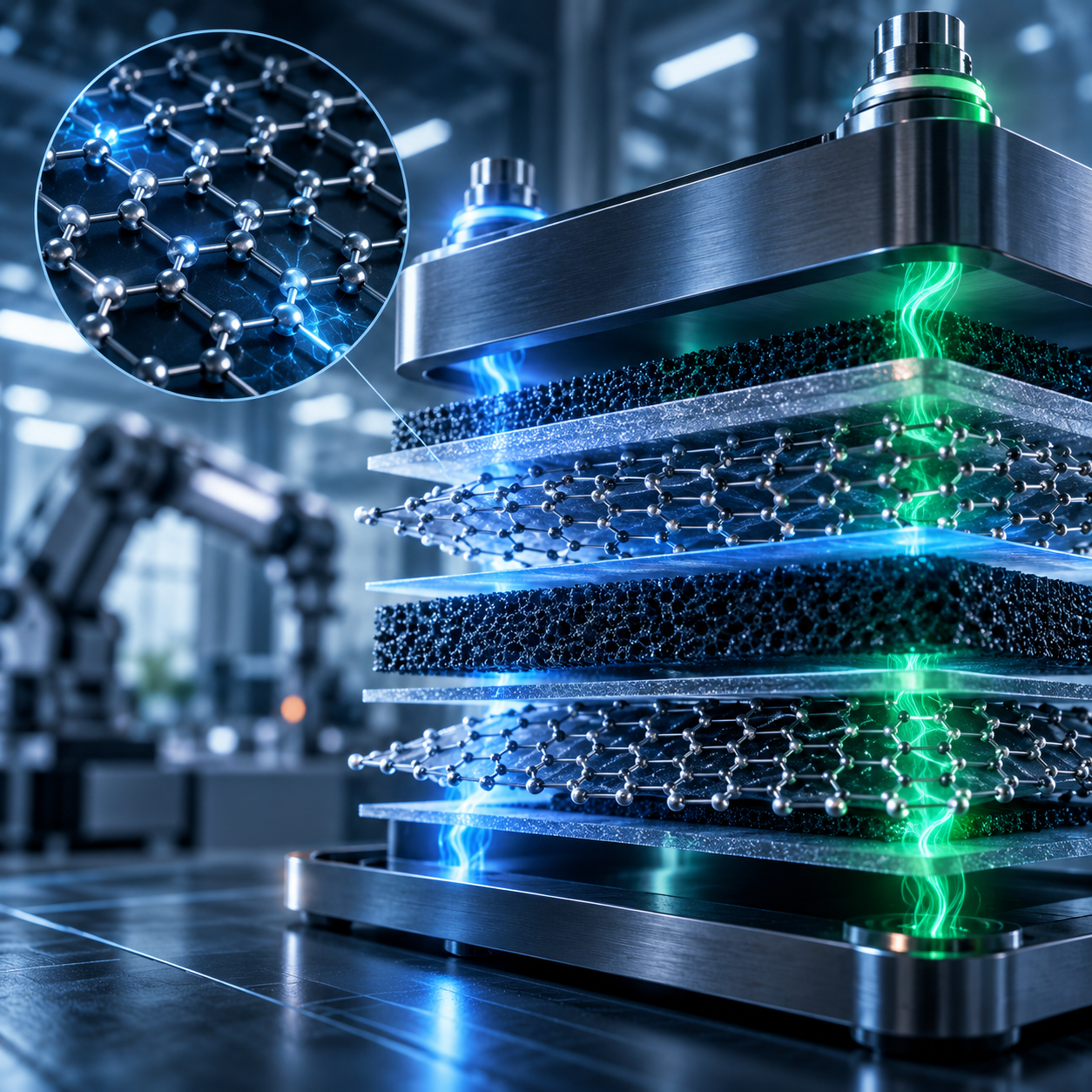
SUPERCAP-STEP is an advanced research and innovation project developing high-performance supercapacitors based on doped graphene.

The technology combines advanced materials science with power electronics integration to create an energy storage solution capable of operating under demanding high-power conditions while providing exceptional cycling durability and operational safety.

Unlike conventional batteries, which are primarily designed to maximise energy storage capacity, supercapacitors are particularly suited to applications requiring extremely rapid energy absorption and delivery.

This makes SUPERCAP-STEP especially relevant for industrial environments where power, speed, reliability and lifetime are critical.

How it Works

CAPTURE

Rapidly absorbs energy from sudden high-power events.

STORE

Temporarily stores energy in the graphene-based supercapacitor.

RELEASE

Delivers power instantly when required by the system.

REPEAT

Performs the cycle for more than 100,000 charge–discharge cycles.

Why Graphene?

The material behind the technology

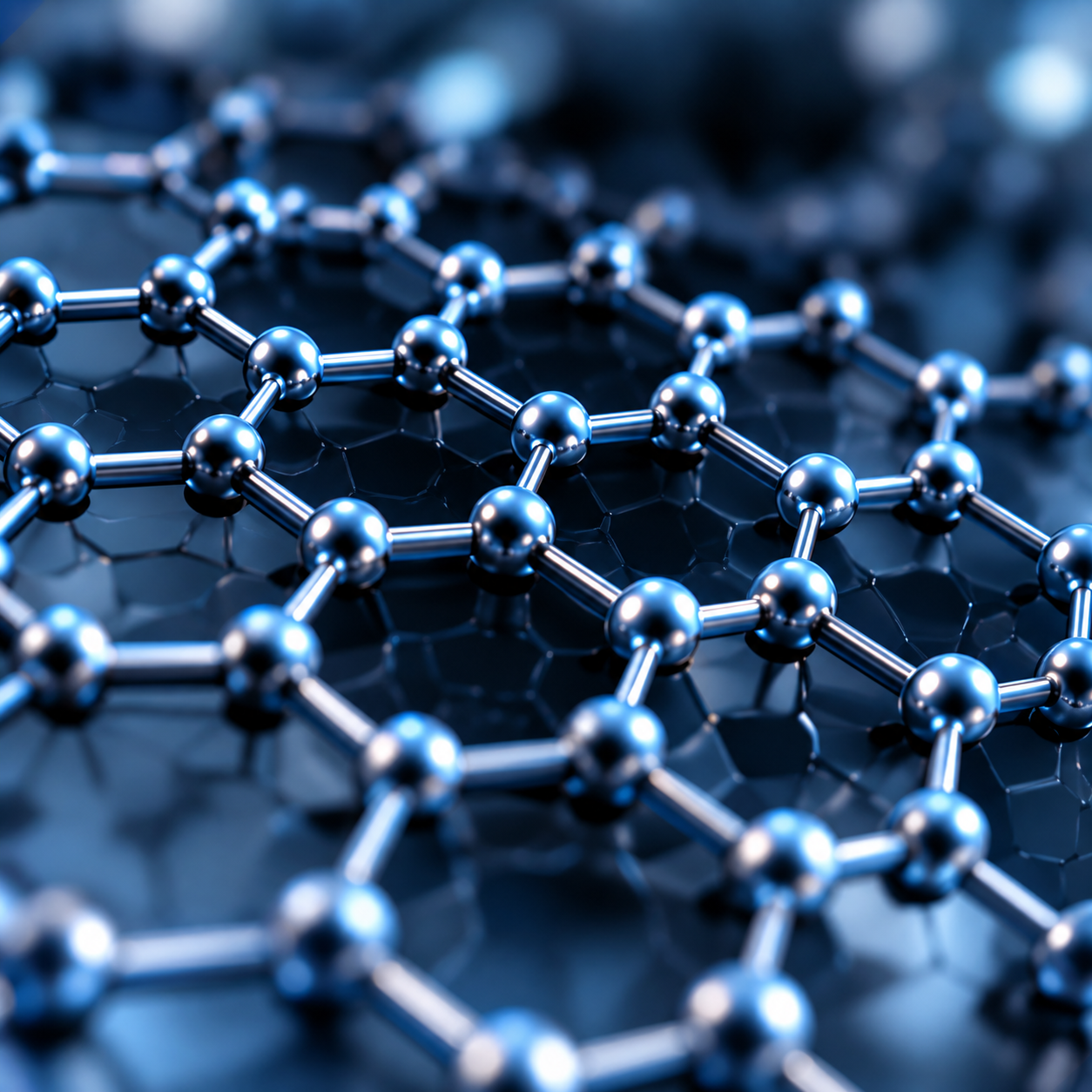
Graphene offers a unique combination of electrical, thermal and structural properties, making it particularly attractive for advanced energy storage.

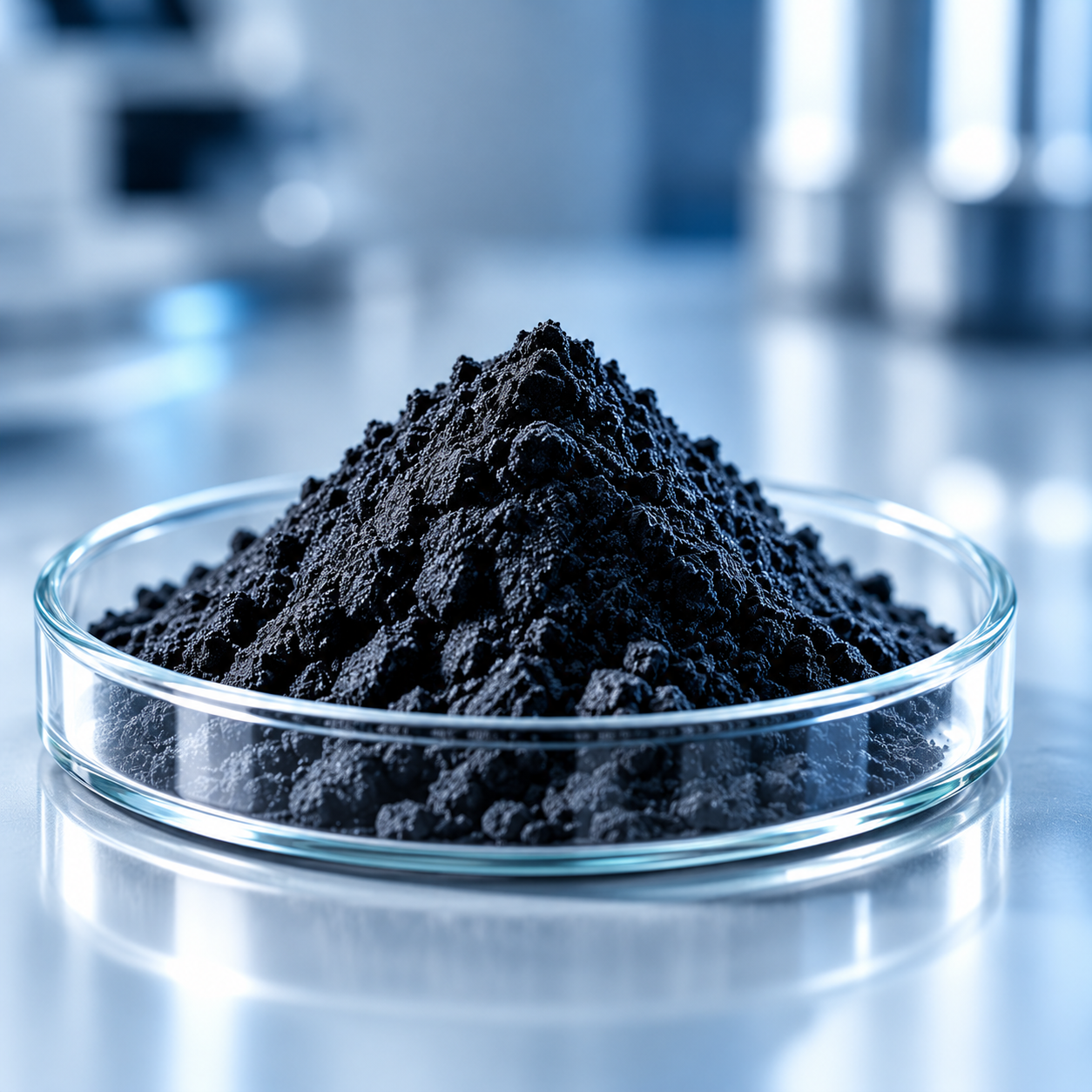
Within SUPERCAP-STEP, doped graphene materials are engineered for high-power supercapacitor electrodes, combining rapid electrical response with high cycling stability and long operational lifetime.

Its highly conductive carbon structure supports the rapid movement of electrical charge, a key requirement for systems designed to absorb and deliver high levels of power in very short periods of time.

By tailoring the graphene-based electrode materials, SUPERCAP-STEP aims to combine power, durability and thermal stability in a lithium-free energy storage technology designed for demanding industrial environments.

HIGH CONDUCTIVITY · CYCLING STABILITY · THERMAL STABILITY

From Graphene to Industrial Application

Doped Graphene

Engineered graphene materials with tailored properties.

Electrodes

High-performance electrodes developed from doped graphene.

Supercapacitor

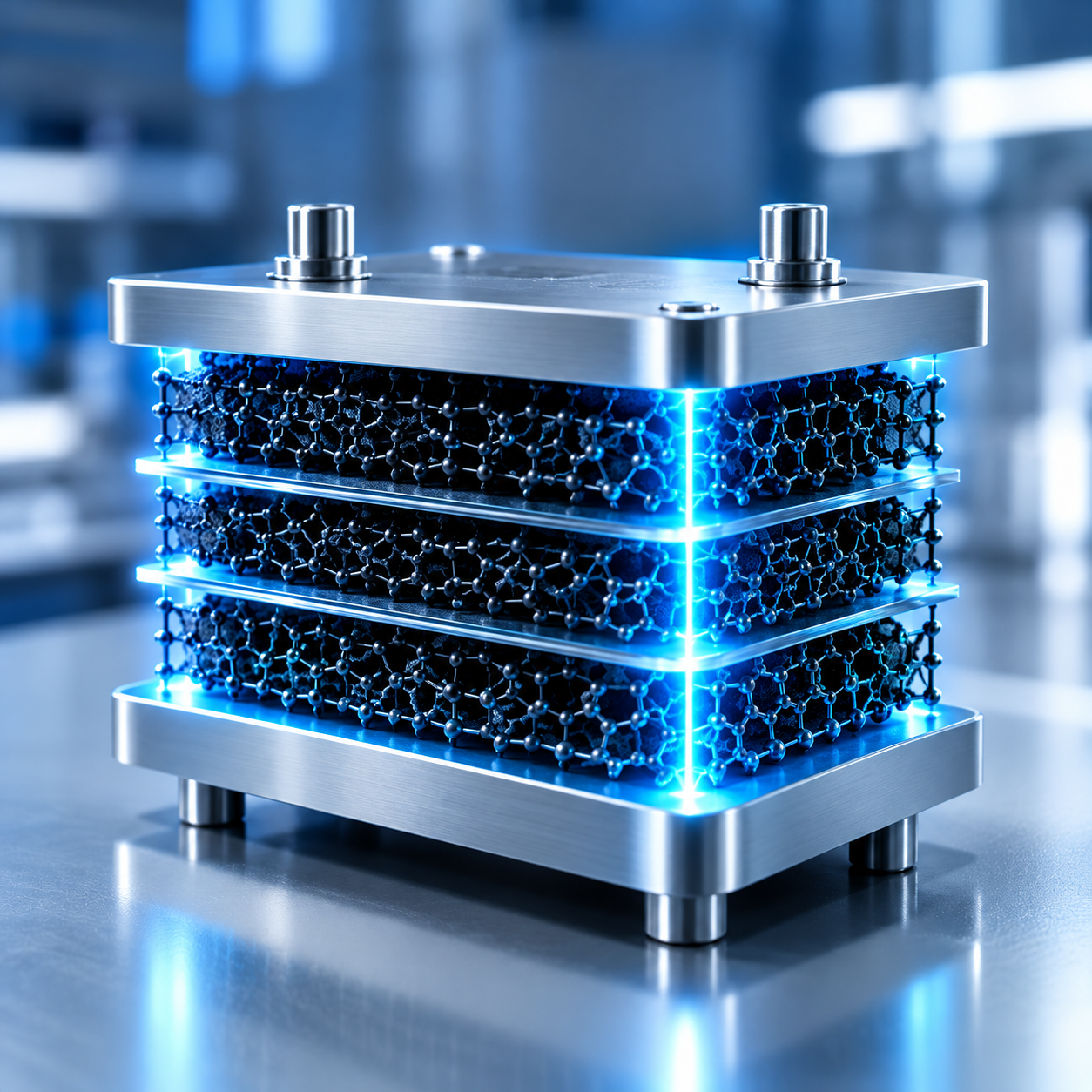
Advanced cells and modules designed for high-power operation.

Power Management

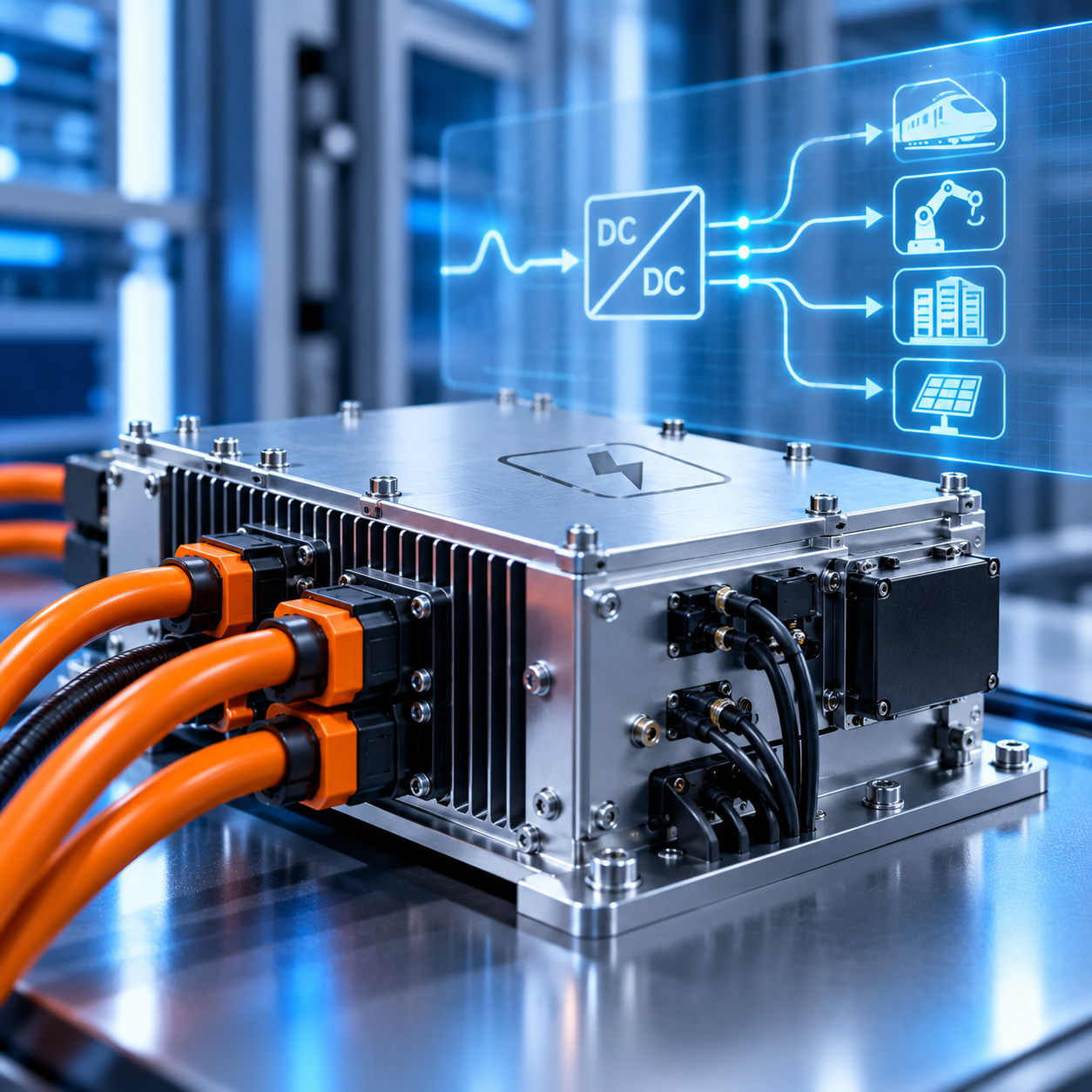
Integration with advanced control systems for efficient energy management

Industrial System

Validation and deployment in real industrial environments.

Industrial Applications

High-power energy storage for demanding industrial environments

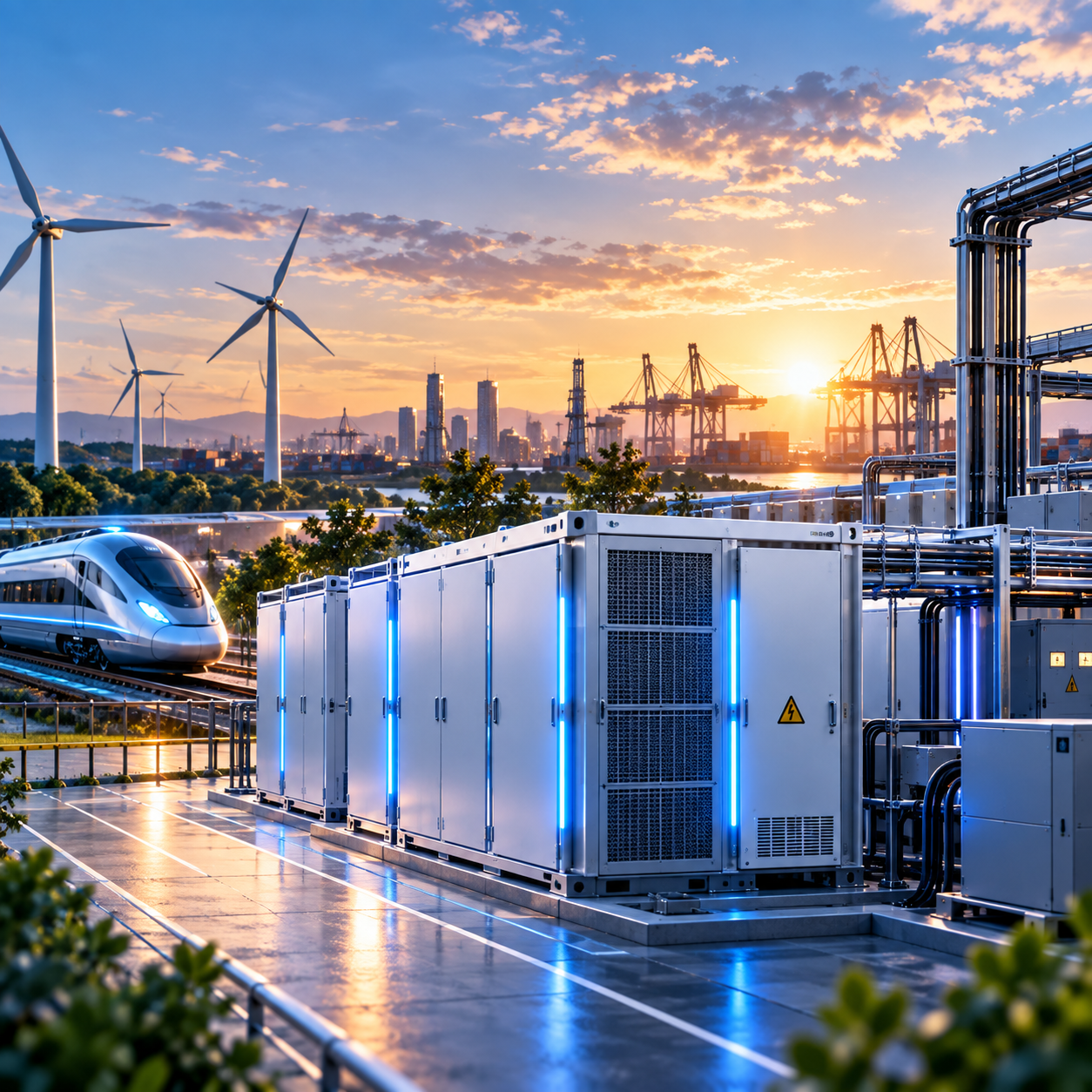
SUPERCAP-STEP is designed for applications where rapid energy capture and delivery, frequent cycling and reliable high-power operation are essential.

Railway Transportation

Recover regenerative braking energy, support traction power systems and reduce peak power demand.

Robotics & Intralogistics

Support AGVs and autonomous mobile robots with rapid charging and reduced charging downtime.

Data Centres & Critical Infrastructure

Provide rapid power response for UPS and critical power systems.

Heavy Industry & Ports

Recover braking and lowering energy from cranes and heavy machinery while reducing power peaks.

Renewable Energy

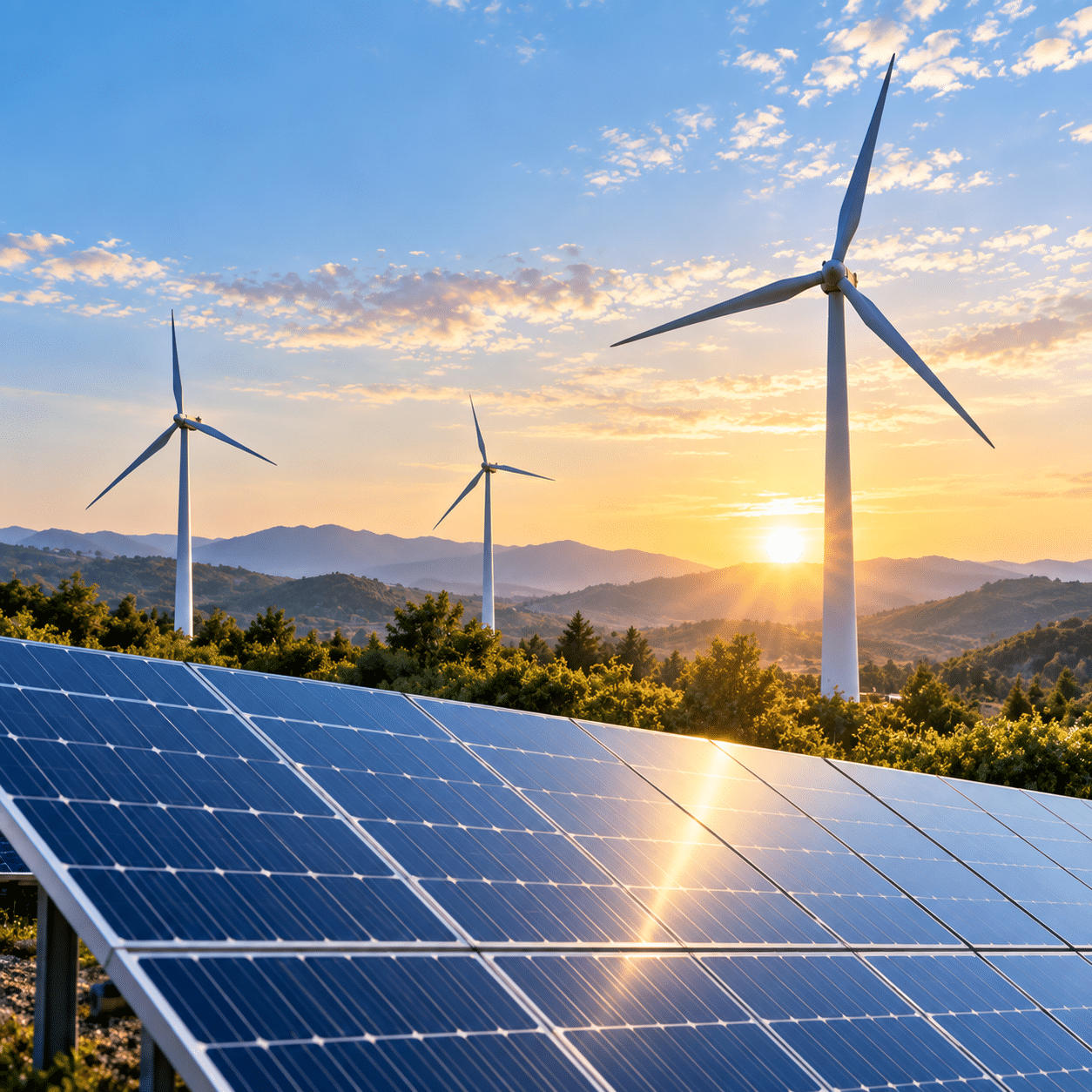
Manage rapid power fluctuations and support the integration of renewable energy systems.

E-Mobility

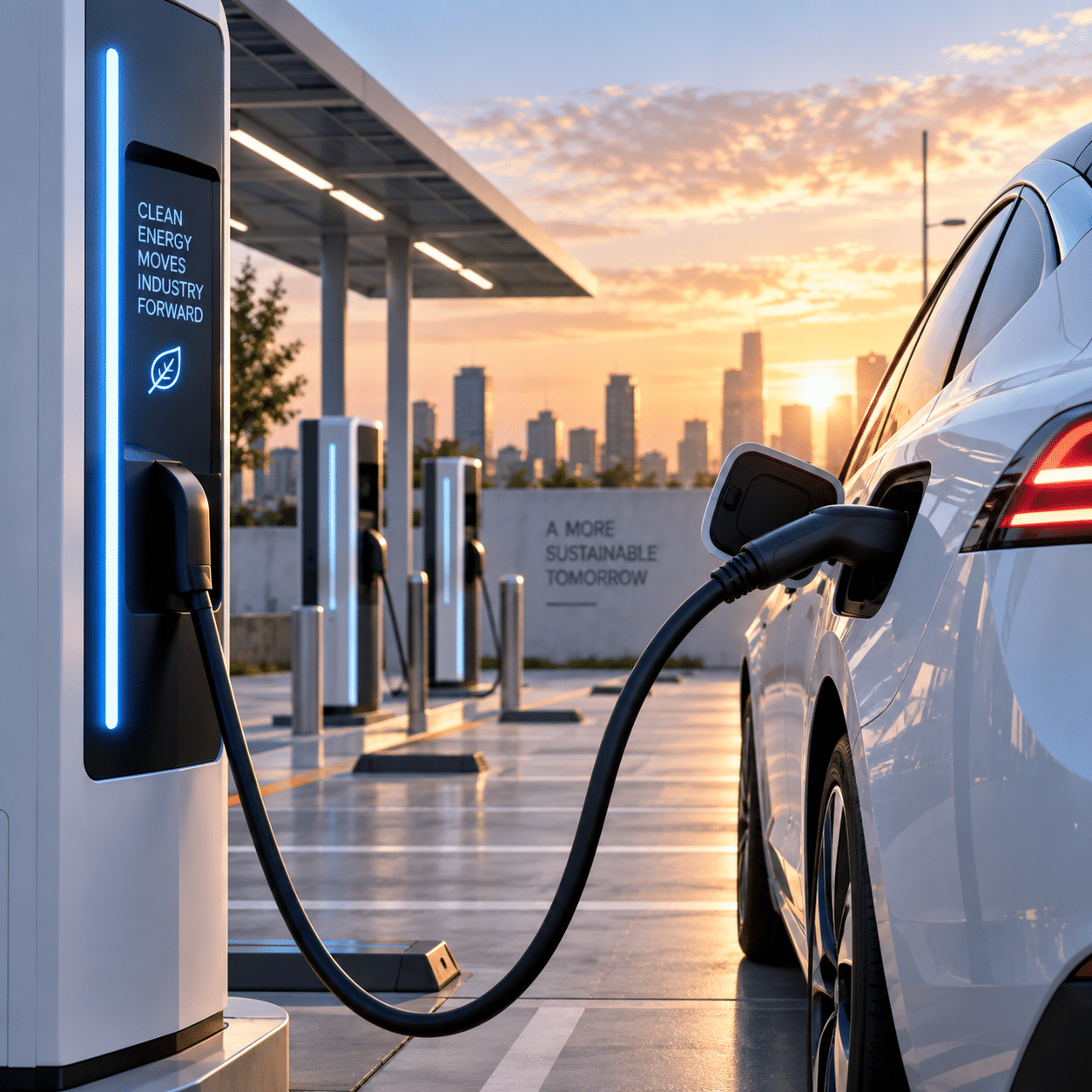
Provide high-power energy buffering for fast-charging infrastructure and electrified transport.

The Science Behind SUPERCAP-STEP

SUPERCAP STEP is based at the Instituto de Tecnología Química (ITQ), a joint research center between the Universitat Politècnica de València (UPV) and the Spanish National Research Council (CSIC), located in Valencia, Spain.

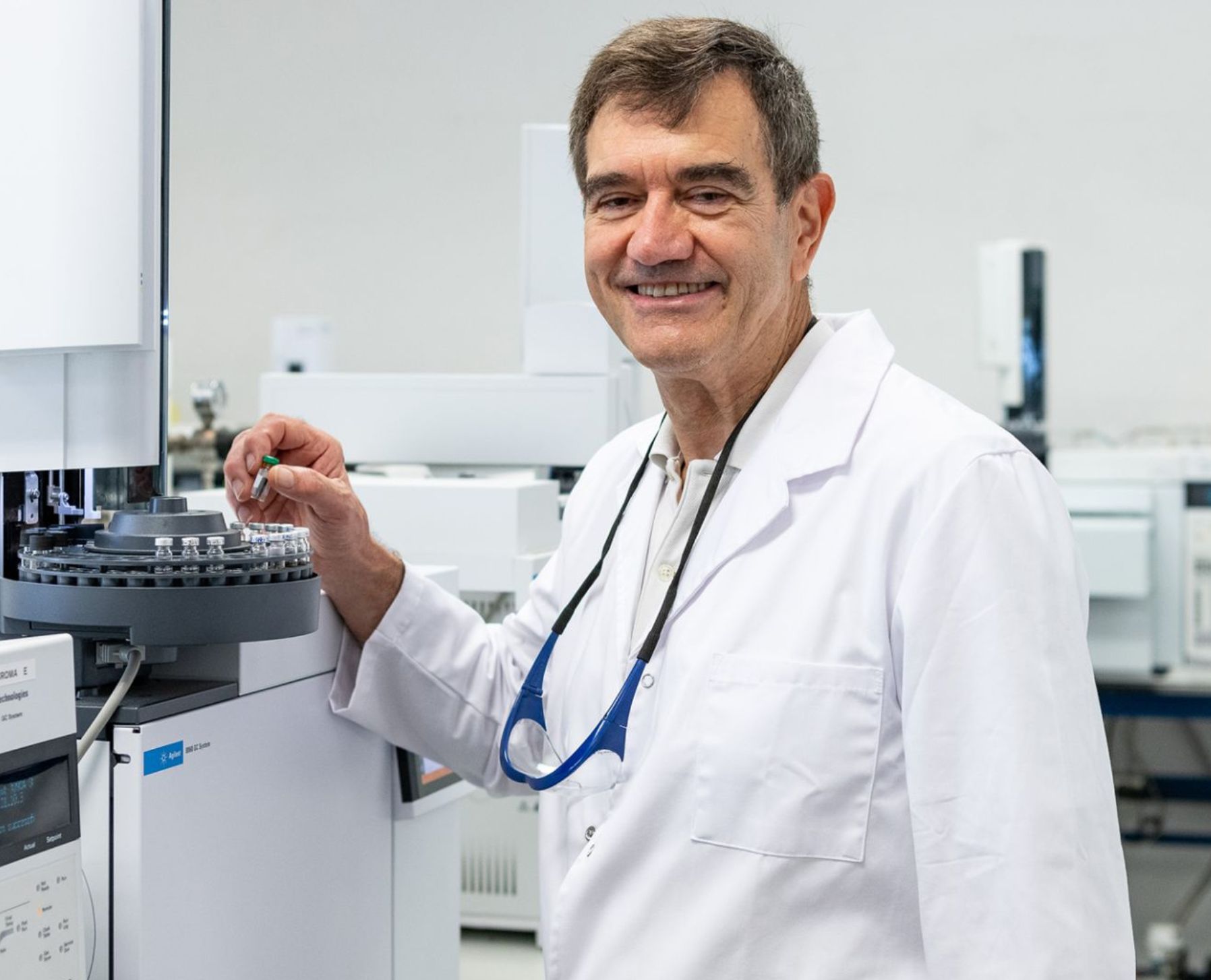
The project is led by Prof. Hermenegildo García, an internationally recognized expert in catalysis, nanomaterials, and photochemistry. Under his leadership, the research team brings together multidisciplinary expertise in materials science, catalysis, computational chemistry, and spectroscopy.

The Team Behind SUPERCAP-STEP

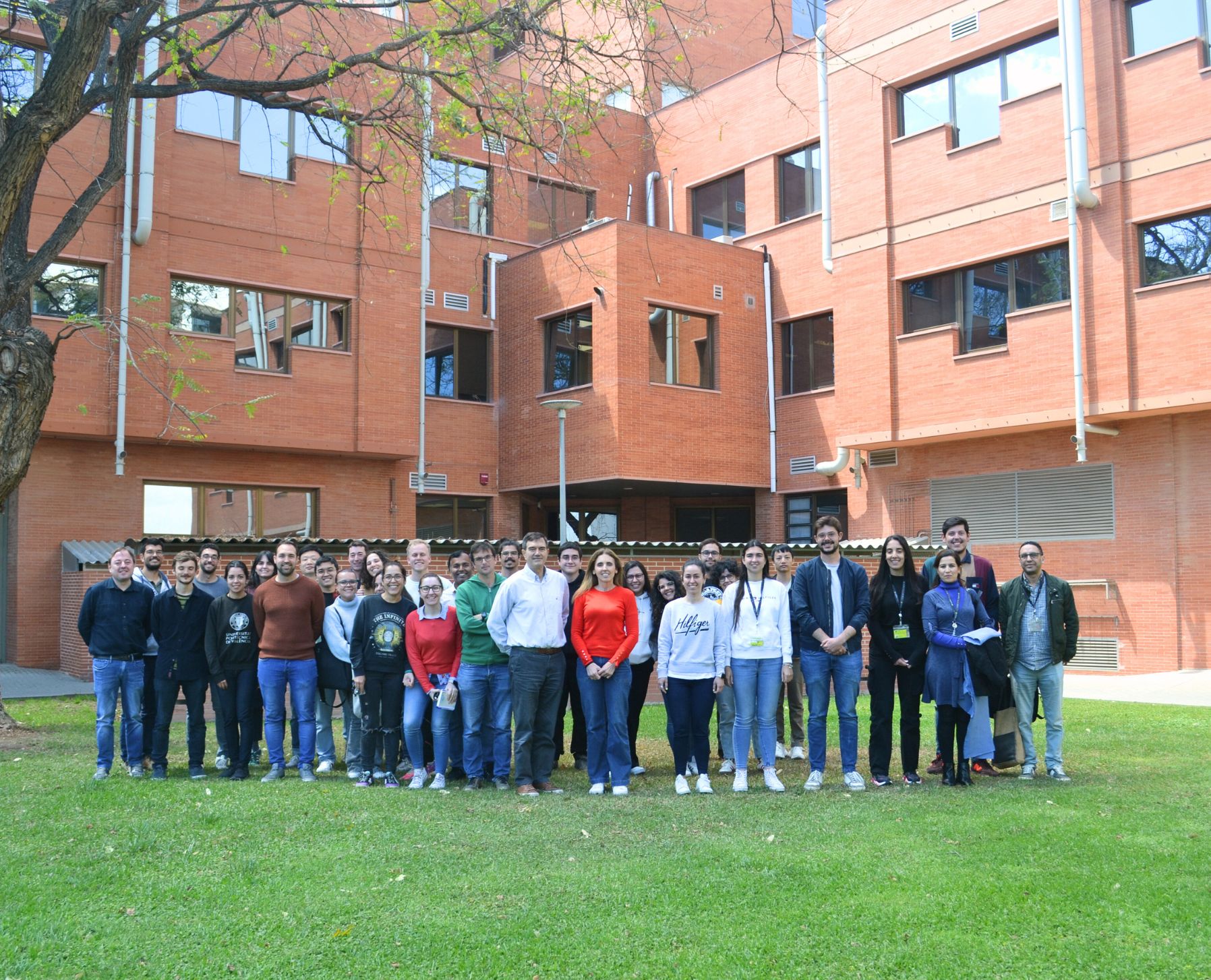
SUPERCAP-STEP brings together researchers with expertise in advanced materials, graphene, electrochemistry, energy storage and related fields at the HG Energy research group.

Prof. Hermenegildo García

Research Group Leader, UPV, Valencia

Dra. Ana Primo Arnau

Research Group Leader, tenured Scientist. UPV, Valencia

Dr. Josep Albero

Tenured Scientist UPV, Valencia

Dr. Abdessamad Grirrane

Post doctoral researcher. UPV, Valencia

Shangfeng Chen

PhD. UPV, Valencia

Partners & Funding

Become an Early Adopter

SUPERCAP-STEP is open to collaboration with industrial partners and early adopters interested in exploring high-power energy storage solutions through Proofs of Concept, pilot projects and technology validation.

2 + 6 = ?